Power Factor Correction for a 20 MW PV-Integrated Industrial Facility
High-voltage metering • Low-voltage SVG compensation • Dynamic reactive power control
35 kV
Utility Feeder |
20 MW
PV Capacity |
2 × 12.5 MVA
Main Transformers |
PF 0.999
After Retrofit |
Project Background
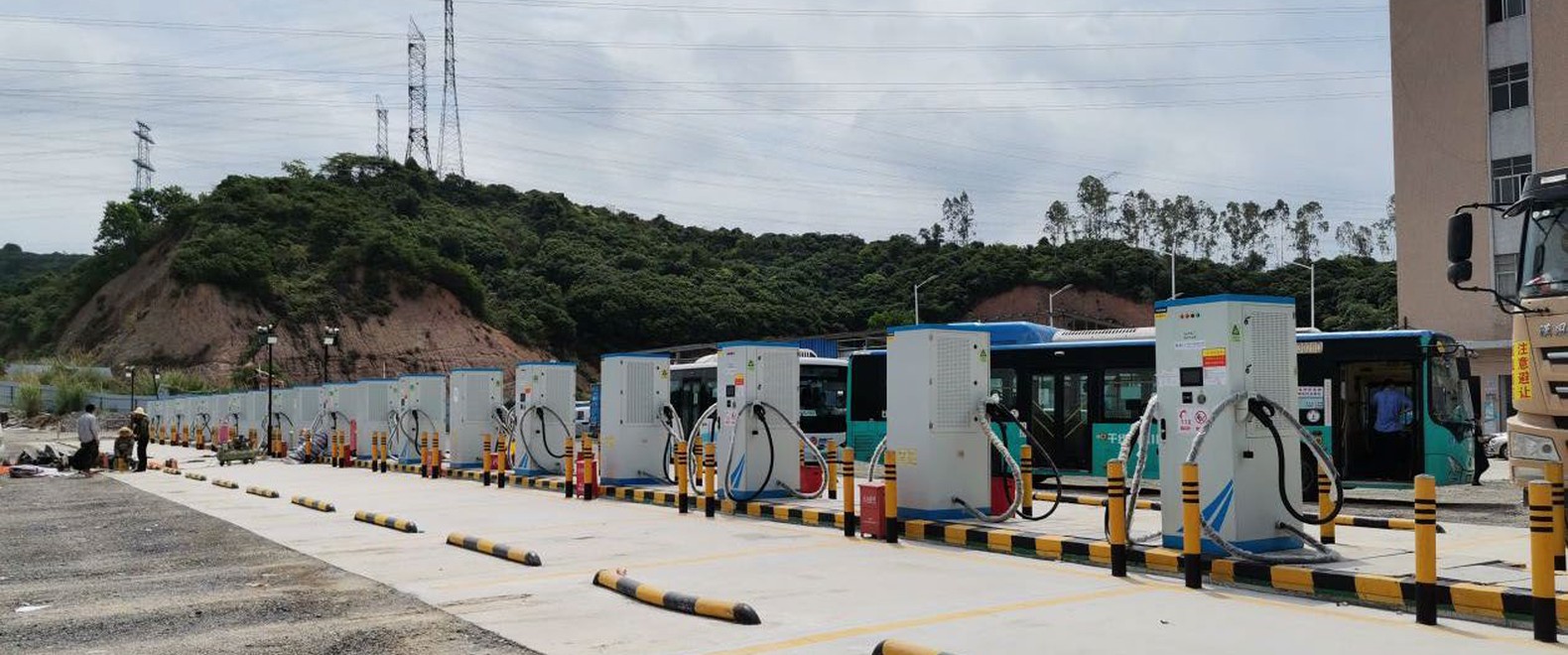
The facility is supplied by a 35 kV utility feeder. Its electrical system includes two 12.5 MVA main transformers, approximately nine workshop transformers, and a 20 MW PV system connected through about 27 step-up transformers.
Challenge
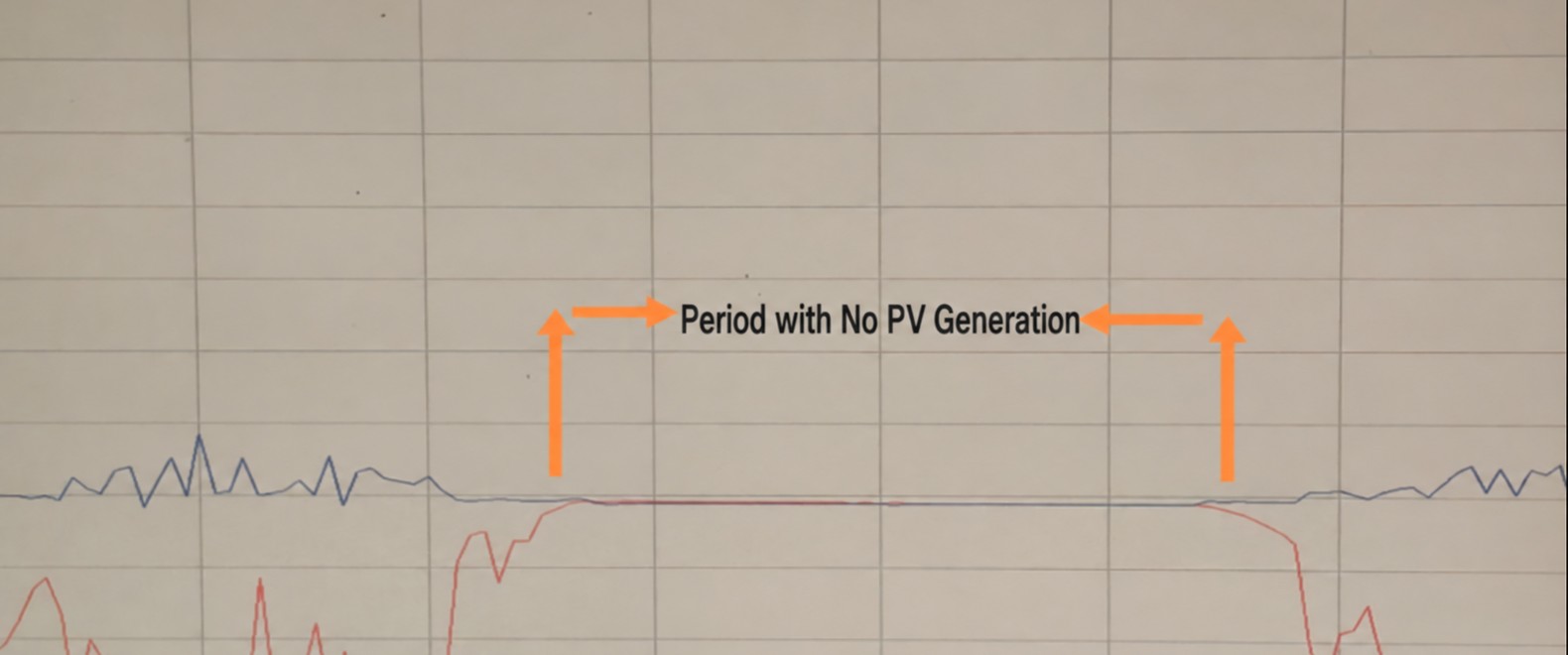
The site experienced unstable power factor at the 35 kV utility metering point. When PV generation was unavailable, lightly loaded transformers continued to draw magnetizing reactive power. During strong PV generation, grid active-power import dropped sharply or reversed while reactive demand remained, increasing the risk of power-factor penalties.
 |
 |
| No-PV period: transformer reactive demand remains. |
PV generation period: active-power import falls / reverses. |
 |
 |
| On-site 35 kV reading: PF ≈ 0.77. |
Utility bill showing the pre-retrofit PF penalty. |
Solution
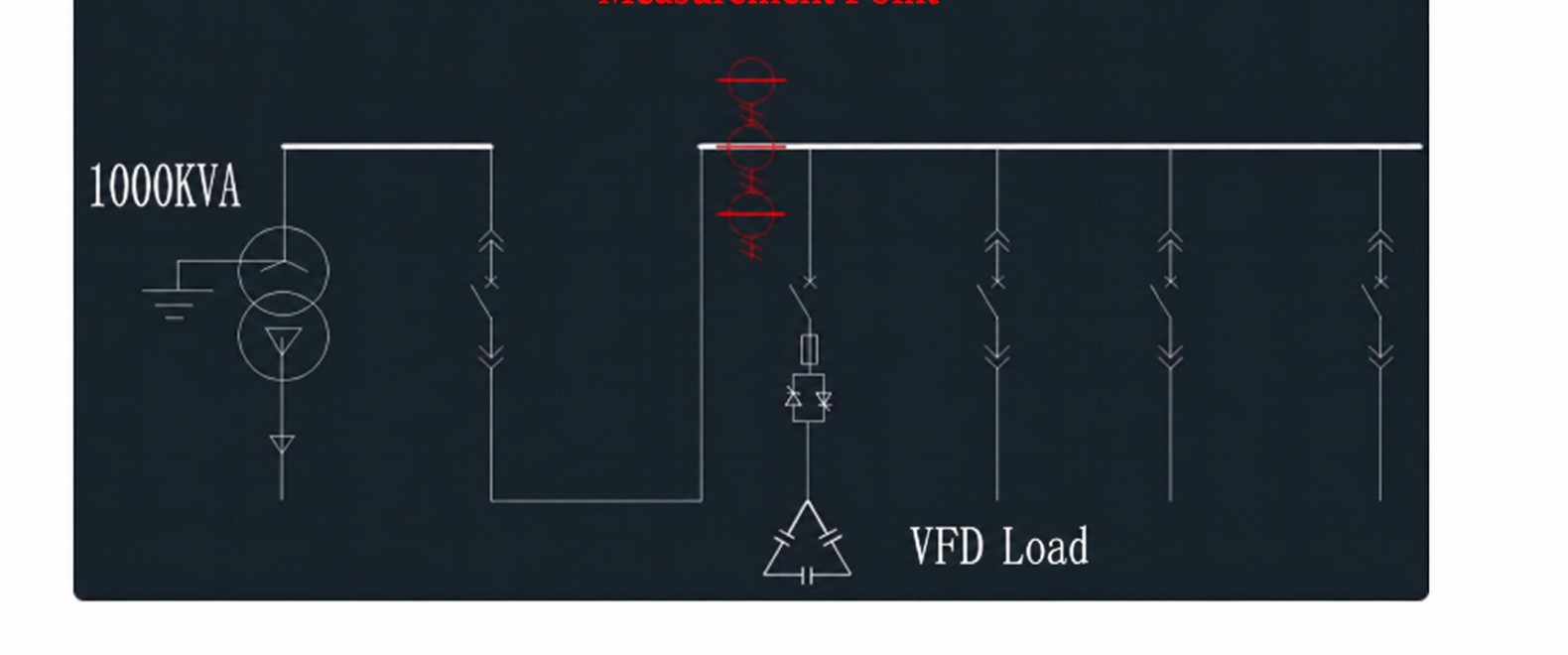
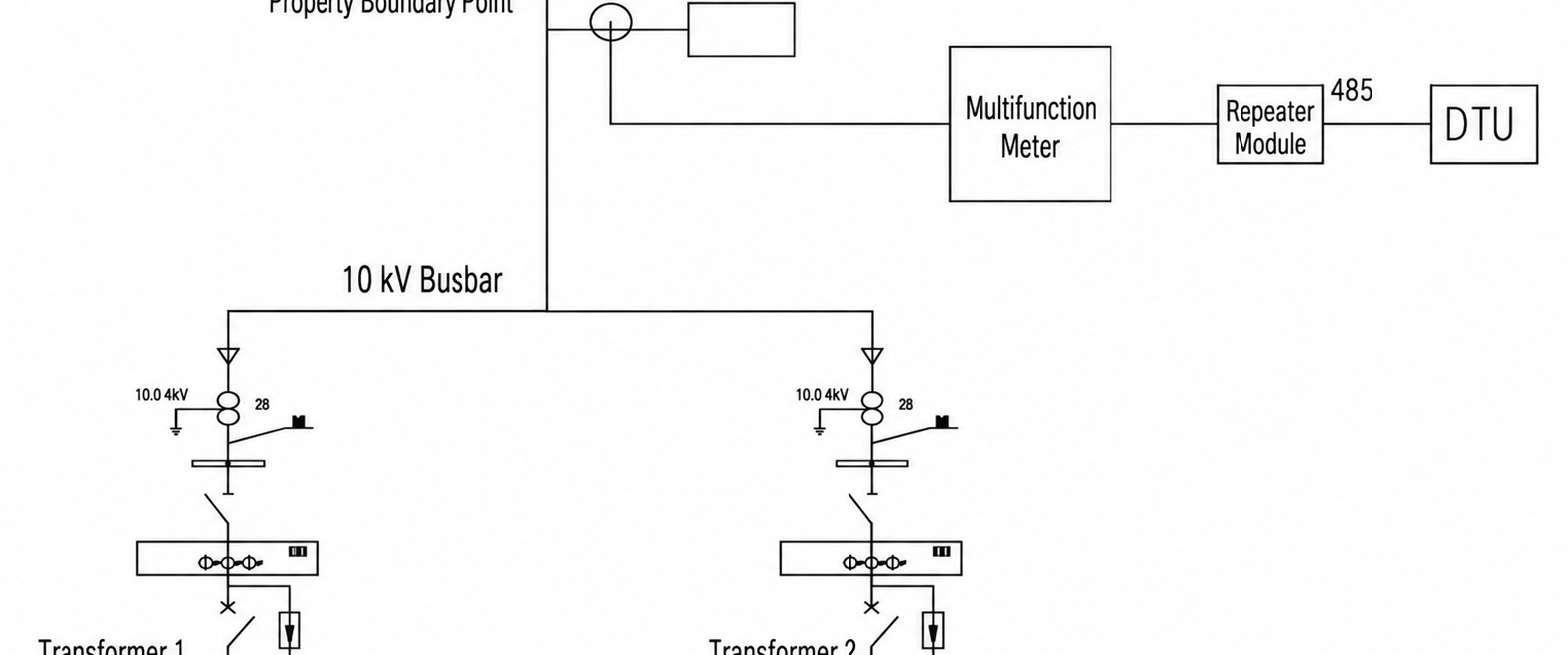
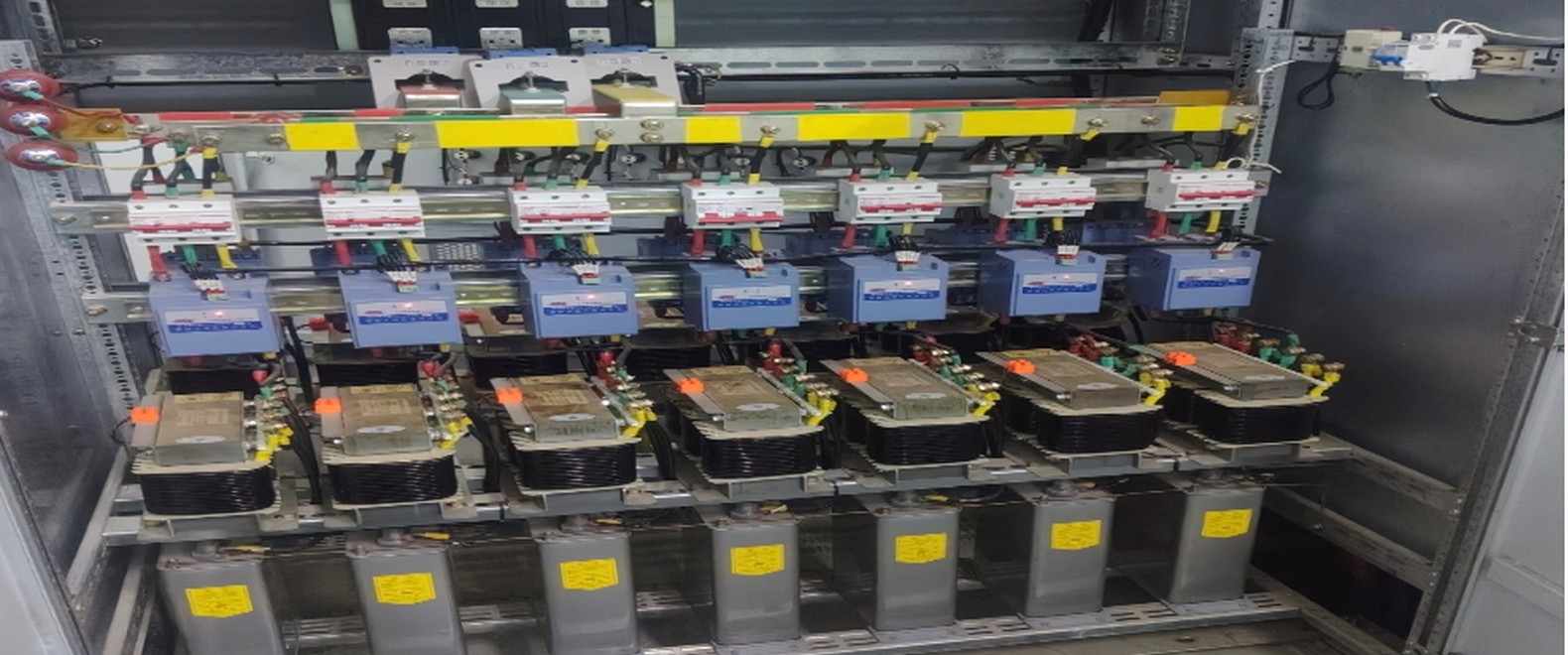
The project adopted a “high-voltage metering, low-voltage compensation” scheme. Voltage and current are measured at the 35 kV incoming feeder and sent wirelessly to the 400 V side via DTU. The SVG dynamically adjusts reactive power output based on the demand seen at the high-voltage metering point.
- 1 set Static Var Generator — SVG/4-2000/4LR
- 2 sets Wireless DTU modules
- 1 unit 7-inch monitoring screen

System architecture: 35 kV measurement signals control the 400 V SVG for dynamic reactive power compensation.
Project Results
After commissioning, the utility-meter power factor increased to above 0.99. Power-factor penalties were eliminated, and the customer became eligible for additional utility incentives.

Post-retrofit utility meter: power factor reached 0.999.
RESULT HIGHLIGHT | PF ≈ 0.77 → 0.999 | Power Factor Penalties Eliminated