Power Factor Correction for a PV-Integrated Facility
PROJECT CASE | POWER QUALITY
High-voltage metering with low-voltage SVG compensation
| Power System |
2 × 10 kV / 0.4 kV transformers |
| Site Condition |
Loads and grid-connected PV on the low-voltage side |
| Target |
Utility high-voltage metering point PF > 0.90 |
Project Challenge
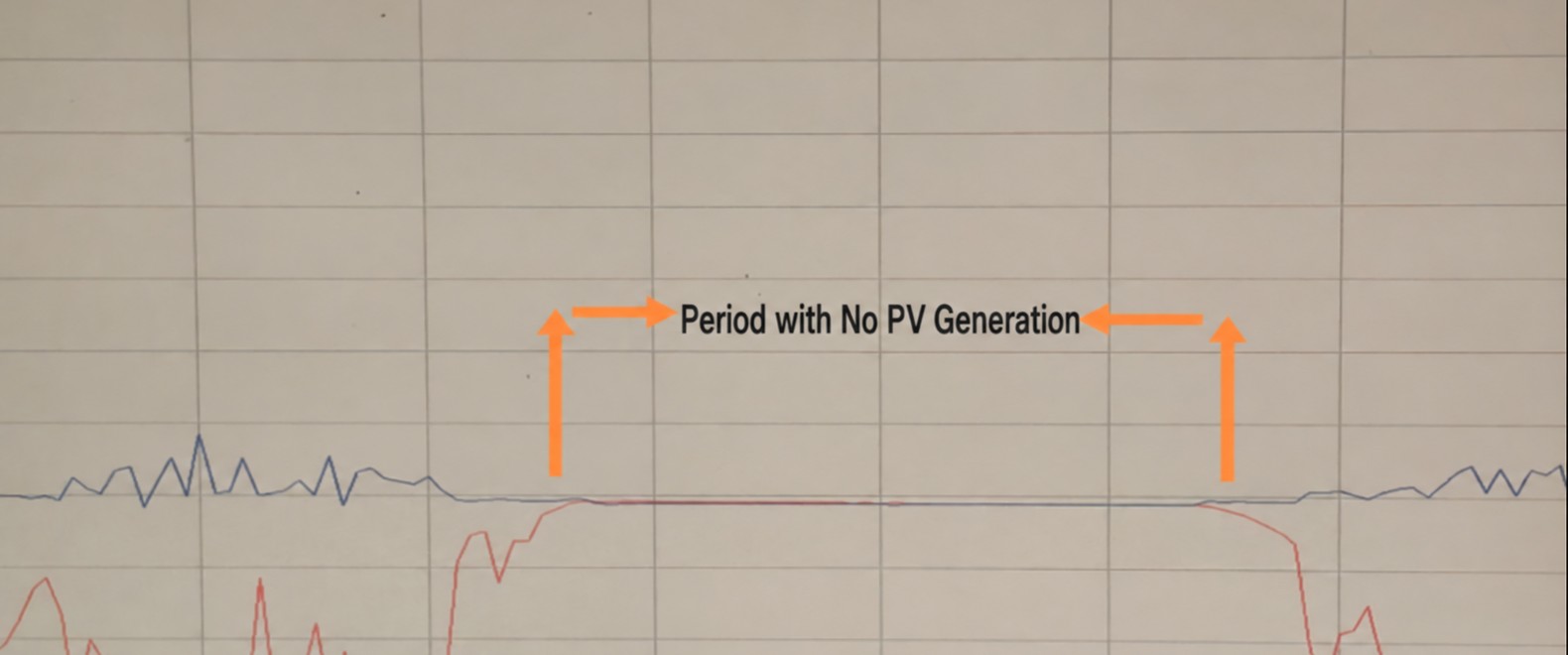
PV generation caused the power factor at the utility’s high-voltage metering point to fluctuate, creating exposure to power-factor adjustment penalties. The project target was to keep the utility-side power factor above 0.90.
Control Strategy
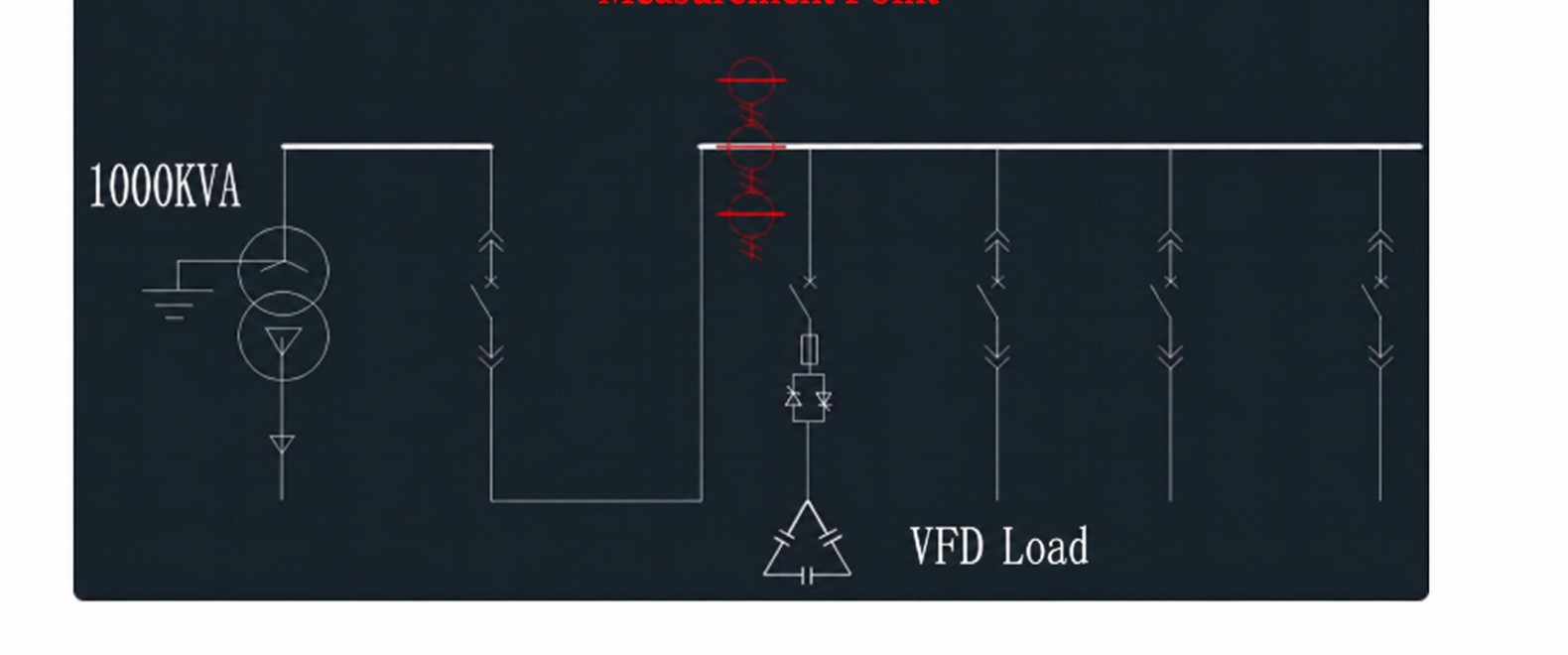
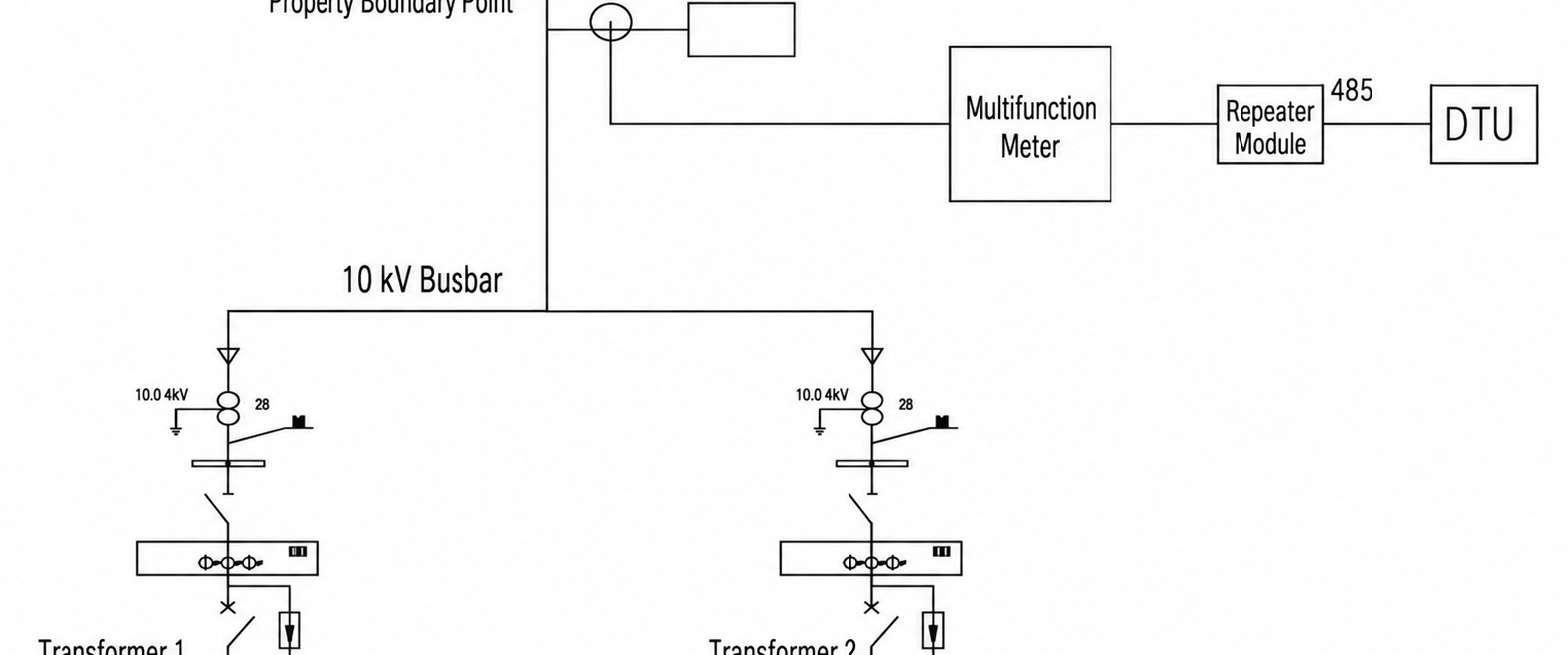
The retrofit measures the real-time reactive power at the 10 kV utility metering point, transmits the data to the 400 V side, and commands the low-voltage SVGs to compensate the reactive power seen by the utility in real time.

System architecture: reactive-power data is measured at the 10 kV metering point and used to control SVG compensation on the 400 V side.
Solution Configuration
- One SVG installed on the low-voltage side of each transformer, with a local 7-inch HMI.
- An ADW300 multifunction meter samples the high-voltage PT signal and secondary CT current to calculate reactive power at the utility metering point.
- Three 4G DTU modules provide wireless data transmission between the metering system and SVG controllers.
- One central 7-inch HMI provides centralized monitoring and control.

On-site installation of the metering and communication components used in the compensation control loop.
Project Results
> 0.99
Utility-side PF |
Eliminated
PF penalty |
Achieved
Electricity-bill incentive |
After commissioning, the project raised the utility high-voltage metering point power factor to above 0.99. The source report states that power-factor penalties were fully eliminated and the customer qualified for an electricity-bill incentive.

Measured result: the utility meter displays PF 0.999; the central HMI shows the high-voltage-side power factor and active SVG compensation status.