
Get A Quote

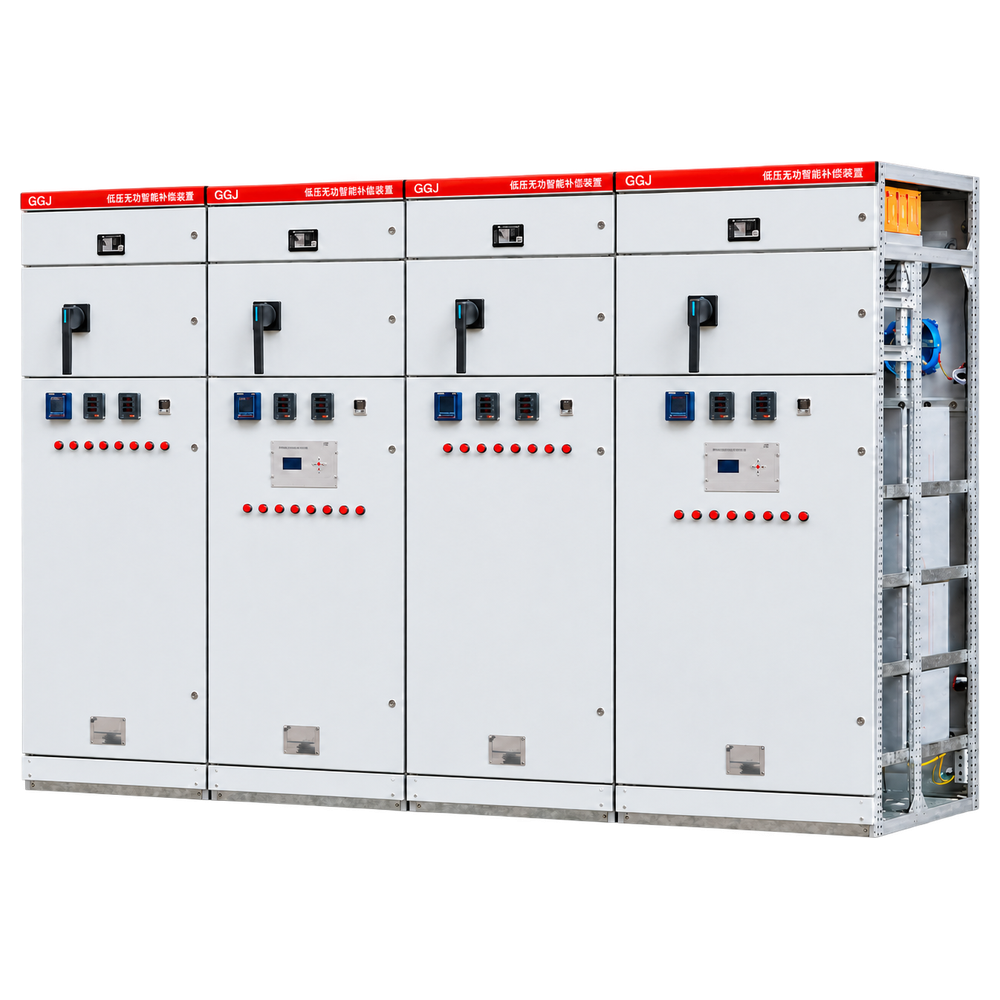
GGJ Series

APFC Panel

APFC Panel

Compact intelligent reactive power compensation cabinet for low-voltage systems, with conventional and dynamic (≤20 ms) switching configurations.

Product Advantages

  • ≤20 ms Dynamic Switching Time
  • Zero-crossing Capacitor Switching
  • Y / A / Y+A Compensation Arrangements
  • RS-232/485 Remote Communication Options

Related ProductsExplore other leenhoo power-quality products for harmonic mitigation and reactive-power compensation.

Core Advantages

Power Factor Correction and Dynamic Switching

Reactive power compensation improves power factor, reduces line losses and supports better transformer utilization. The dynamic switching configuration has a switching time of ≤20 ms, making it suitable for applications with frequent changes in load and reactive power demand.

Flexible Cabinet and Compensation Options

The cabinet can be combined with MNS, GCK, GGD and other low voltage cabinet systems. Y-type, A-type and combined Y+A compensation arrangements are available to suit project requirements.

Zero Crossing Control for Lower Switching Stress

Zero-crossing control reduces inrush current and switching overvoltage during capacitor switching, supporting stable capacitor operation.

Remote Communication Options

RS-232/485 interfaces, wireless data modules or DSHRS modules are available for integration with remote communication systems.

Product Applications

Factory Distribution

Motor clusters, welding and stamping loads with fluctuating reactive power demand on low-voltage busbars.

Commercial Buildings

HVAC, elevators and lighting loads where power factor penalties can be avoided at the main distribution board.

Water Treatment & Pump Stations

Pump loads with step-wise reactive power demand suited to both conventional and dynamic switching.

Data Center Power Distribution

Stable, high-utilization loads that require a maintained target power factor on the LV side.

HVAC Systems

Chiller and fan loads with seasonal variation in reactive power demand.

Textile & Plastic Processing

Continuous production lines with many small asynchronous motors.

Renewable Energy Plants

LV compensation cabinets used alongside inverters and step-up transformers.

General Industrial Workshops

Mixed loads where compensation requirements change with production shifts.

Ports & Cranes

Crane, hoist and conveyor drives with rapidly varying reactive power demand suited to dynamic switching.

Mining & Cement

Crusher, mill and conveyor loads with high reactive power demand on the low-voltage busbar.

Technical Parameters

Electrical Ratings

Product Series System Voltage Rated Frequency Sampling Current Sensitivity Total Cabinet Power Consumption Switching Features
GGJ Intelligent Reactive Power Compensation Cabinet ≤450 V AC 50 Hz / 60 Hz ±10% 0-5 A / 100 mA ≤15 W Dynamic switching: ≤20 ms · Inrush current: <20 In · Zero-crossing control

Common Specifications

The ≤20 ms switching time applies to the dynamic switching configuration only.

Zero-crossing control reduces inrush current and switching overvoltage during capacitor switching.

Total cabinet power consumption: ≤15 W.

Configuration Options

Compensation Type Model Voltage Rating Compensation Configuration Communication Options
Conventional / Dynamic · Dynamic model identifier: “1” 230 V / 400 V Y-type / A-type / Y+A RS-232/485 interfaces · Wireless data modules · DSHRS modules

Common Specifications

Cabinet compatibility: can be combined with MNS, GCK, GGD and other low-voltage cabinet systems.

Connection codes: D = delta; Y = star. Compensation configuration labels follow the source terminology.

When fitted with suitable reactors, the cabinet can help prevent harmonic amplification and absorb part of the harmonic current.

Operating Conditions

Ambient Temperature Relative Humidity Altitude Installation Environment
-5°C to +40°C ≤90% at 20°C ≤2000 m No explosive gases or gases corrosive to metals · No conductive dust or severe vibration · Protected from rain and snow

Common Specifications

Service life: >100,000 hours under maintenance-free conditions.

Reference standards: GB/T 15576-2008 and IEC 60439.

Please Share the Details You Know:

  • Product or model
  • Application or problem to solve
  • Required specifications, such as voltage, frequency or capacity
  • Quantity and delivery requirements

You can also attach drawings, product photos or test reports, if available.

Share Your Requirements

FAQ

When should I choose conventional or dynamic compensation?

Both are available as configuration options. Dynamic switching is intended for systems where the load and reactive power demand change frequently. Share the load pattern so we can recommend the appropriate configuration.

How fast is the dynamic switching configuration?

The specified switching time is ≤20 ms for the dynamic switching configuration. This value should not be applied to the conventional configuration.

Which compensation arrangements are available?

The product introduction lists Y-type, A-type and Y+A arrangements. The final arrangement depends on the load and the required compensation scheme.

Can the cabinet be used where harmonics are present?

Yes, but the harmonic conditions must be considered in the design. When configured with suitable reactors, the cabinet can help prevent harmonic amplification. The product introduction does not specify a guaranteed harmonic-reduction rate.

Can GGJ connect to an existing cabinet lineup or monitoring system?

It can be combined with low-voltage cabinet systems such as MNS, GCK and GGD. RS-232/485, wireless data modules and DSHRS modules are listed as communication options; confirm the required interface for the project.

What information should I provide for a GGJ quotation?

Please share the system voltage, existing and target power factor, load characteristics, required compensation capacity, available cabinet space and any harmonic measurements. Let us know whether you need conventional or dynamic switching.